
HMS Scrap in Dubai: Driving the Global Steel Recycling Industry
The UAE — and Dubai in particular — is one of the world’s most important export hubs for steel products, ferro alloys, ores, and related industrial materials. Buyers from over 50 countries source steel and related commodities through Dubai-based trading companies every year, drawn by competitive pricing, origin diversity, reliable logistics, and the professional trading infrastructure that the UAE has built over decades.
Yet for many first-time buyers — or companies entering the steel import business for the first time — the process of actually importing steel from the UAE can seem complex. What documents do you need? How do you pay safely? What happens when your cargo arrives? What are the quality checkpoints?
This step-by-step guide answers all of those questions. Whether you are importing a single FCL container of steel billets or a full Panamax vessel of rebar, these ten steps cover everything you need to know.
What is HMS Scrap?
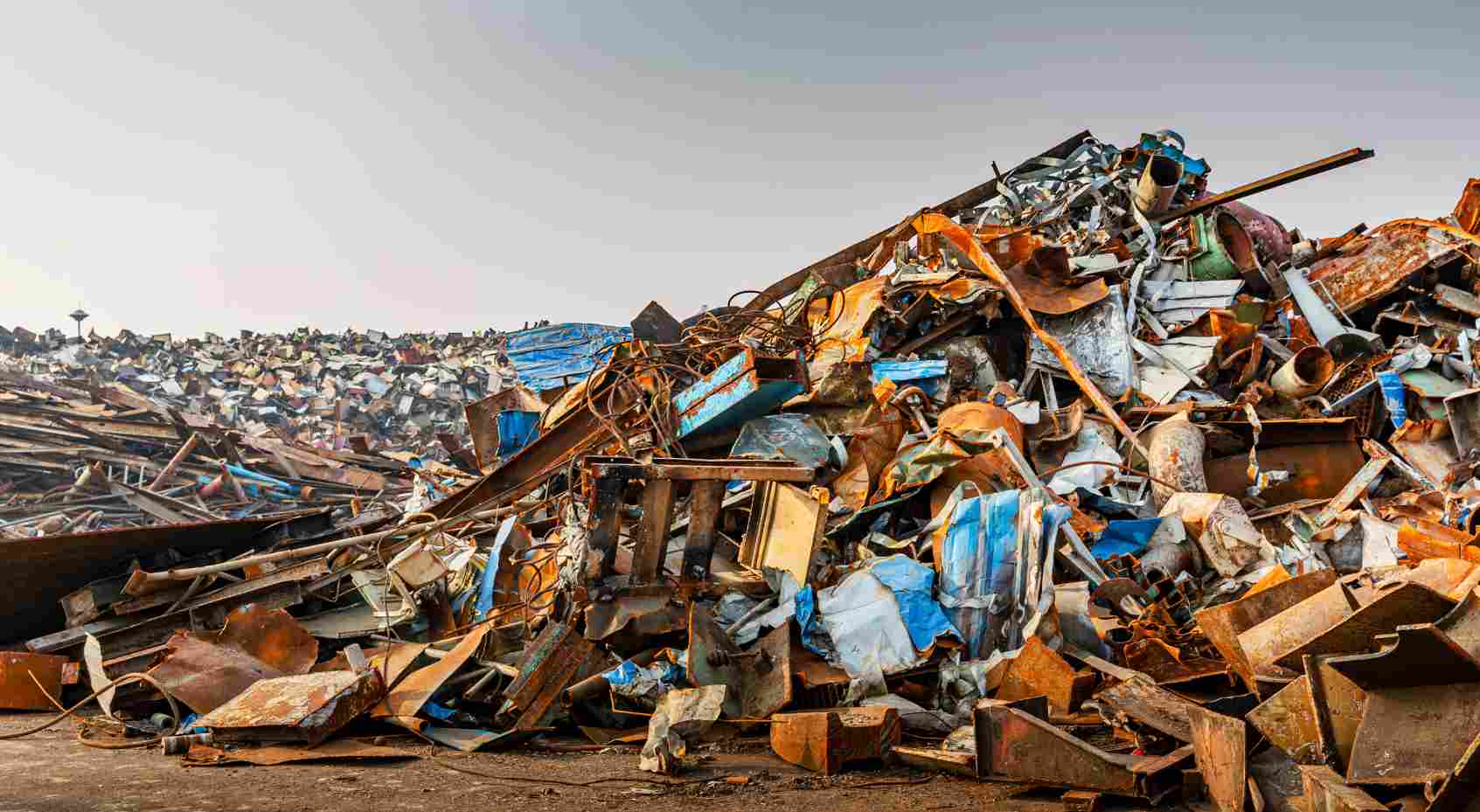
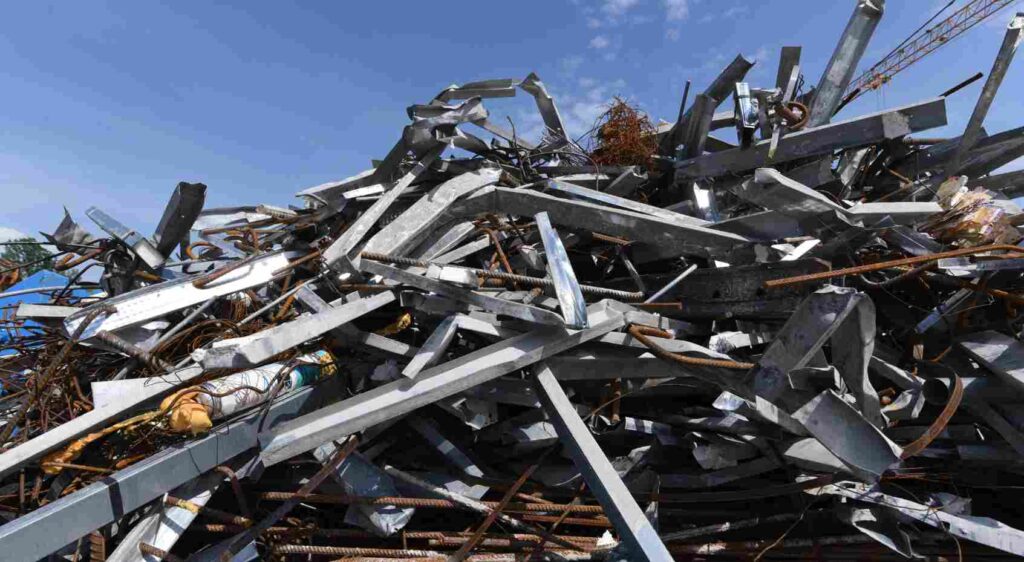
Heavy Melting Scrap (HMS) is a category of recyclable steel and wrought iron materials commonly used in steel production. HMS scrap consists of discarded industrial equipment, demolished structural steel, machinery parts, railway materials, and other heavy ferrous metal products.
The most commonly traded grades include:
HMS 1
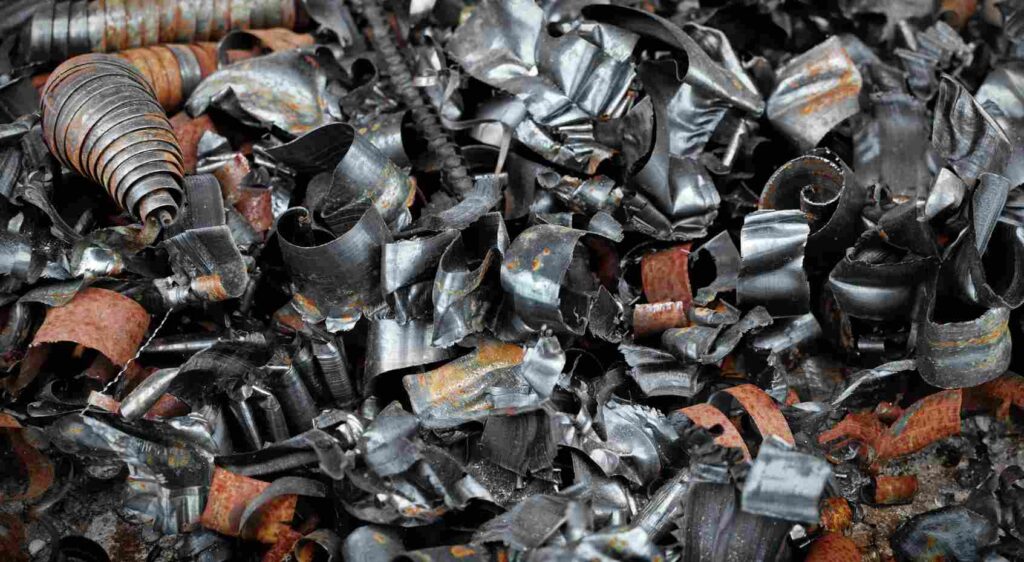
HMS 1 consists of clean, thick steel and wrought iron scrap with a minimum thickness requirement. It is generally free from galvanized materials, excessive rust, and non-ferrous contaminants.
HMS 2
HMS 2 contains lighter gauge steel materials and may include a broader range of recyclable ferrous metals. It is widely used in steel recycling due to its cost-effectiveness and availability.
Many suppliers also offer HMS 1 & 2 mixed scrap, which combines both grades according to international industry standards.
Why Dubai is a Major Hub for HMS Scrap Trading
Dubai’s position as a global trading center offers numerous advantages for HMS scrap buyers and sellers.
Strategic Geographic Location
Located between Europe, Asia, and Africa, Dubai serves as a gateway connecting major steel-producing and steel-consuming nations. This geographic advantage enables efficient sourcing and distribution of HMS scrap worldwide.
Advanced Port Infrastructure
Dubai is home to some of the world’s most advanced port facilities, including the renowned Jebel Ali Port. These facilities support the handling, storage, and shipment of large volumes of scrap metal efficiently and cost-effectively.
Strong International Trade Network
The emirate maintains extensive trade relationships with countries across Asia, Europe, Africa, and the Middle East. This allows scrap traders to source HMS materials from multiple regions and deliver them to international buyers with ease.
Business-Friendly Environment
Dubai’s transparent regulations, modern financial systems, and robust logistics network make it an attractive destination for global scrap metal traders and industrial manufacturers.
Applications of HMS Scrap
HMS scrap serves as a valuable raw material across various industries.
Steel Manufacturing
The primary use of HMS scrap is in electric arc furnaces and steel mills, where recycled ferrous metals are melted and transformed into new steel products.
Construction Industry
Steel produced from HMS scrap is widely used in construction projects, including:
- Structural beams
- Reinforcement bars
- Steel plates
- Industrial buildings
- Bridges and infrastructure projects
Automotive Manufacturing
Automobile manufacturers use recycled steel derived from HMS scrap for vehicle frames, components, and structural applications.
Machinery Production
Heavy machinery, industrial equipment, and engineering products often utilize steel produced from recycled scrap materials.
Benefits of Using HMS Scrap
Environmental Sustainability
One of the most significant advantages of HMS scrap recycling is its positive environmental impact. Recycling steel reduces the need for mining iron ore and conserves natural resources.
Benefits include:
- Reduced landfill waste
- Lower greenhouse gas emissions
- Conservation of raw materials
- Reduced energy consumption
Cost Efficiency
Steel manufacturers can significantly lower production costs by utilizing recycled HMS scrap instead of relying solely on virgin raw materials.
Energy Savings
Producing steel from recycled scrap requires substantially less energy than manufacturing steel from iron ore. This contributes to improved operational efficiency and lower production expenses.
Circular Economy Support
HMS scrap recycling promotes a circular economy by extending the lifecycle of valuable metal resources and reducing industrial waste.
Factors Affecting HMS Scrap Prices in Dubai
The pricing of HMS Scrap in Dubai depends on several market factors.
Global Steel Demand
Increased steel production often leads to higher demand for HMS scrap, which can drive prices upward.
Supply Availability
Changes in scrap collection volumes, industrial activity, and demolition projects can influence scrap availability and market pricing.
Shipping and Logistics Costs
Freight rates, fuel costs, and transportation expenses directly impact the overall cost of HMS scrap imports and exports.
Currency Fluctuations
Since scrap metal trading is largely conducted internationally, exchange rate movements can affect pricing competitiveness.
International Trade Policies
Import duties, export restrictions, and environmental regulations may influence scrap trading activities and market conditions.
Quality Considerations When Purchasing HMS Scrap
Buyers should carefully evaluate several factors before sourcing HMS scrap.
Material Purity
High-quality HMS scrap should contain minimal contamination from non-ferrous metals, plastics, rubber, and other unwanted materials.
Consistent Grading
Reliable suppliers provide scrap materials that comply with internationally recognized grading standards.
Proper Inspection
Professional inspection procedures help verify material quality, weight accuracy, and compliance with buyer specifications.
Supplier Reputation
Working with established scrap suppliers helps ensure reliable deliveries, consistent quality, and transparent business practices.
HMS Scrap Export Opportunities from Dubai
Dubai acts as a major export center for HMS scrap serving numerous international markets.
Key export destinations often include:
- India
- Pakistan
- Bangladesh
- Turkey
- Vietnam
- Indonesia
- China
- Middle Eastern countries
Growing industrialization in these regions continues to drive strong demand for recyclable ferrous scrap materials.
Future Outlook of the HMS Scrap Market in Dubai
The future of HMS Scrap in Dubai appears highly promising. As governments and industries increasingly prioritize sustainability, recycled steel production is expected to expand significantly.
Several factors are likely to support long-term market growth:
- Rising global steel consumption
- Increased focus on environmental sustainability
- Expansion of recycling infrastructure
- Growth in construction and manufacturing sectors
- Greater adoption of circular economy practices
Dubai’s strategic location, advanced logistics capabilities, and strong international trade connections position it as a leading marketplace for HMS scrap trading in the years ahead.
Conclusion
At Noble FZE, we are committed to supplying premium-quality HMS scrap to steel manufacturers, foundries, and industrial buyers across global markets. With a strong international sourcing network, reliable logistics capabilities, and a focus on quality assurance, Noble FZE delivers HMS scrap solutions that support sustainable steel production and cost-efficient manufacturing. As the global demand for recycled ferrous metals continues to grow, Noble FZE remains a trusted partner in the HMS scrap trade, connecting businesses with dependable supply chains and high-grade scrap materials from Dubai to destinations worldwide.